What are LinkedIn bans and how to avoid them in 2026


Many digital marketers believe automation guarantees an instant LinkedIn ban. This misconception causes professionals to avoid powerful outreach tools entirely or operate in constant fear. The reality is more nuanced. LinkedIn uses selective enforcement targeting spam behaviors, not all automation equally. Understanding what actually triggers bans gives you the knowledge to run effective campaigns while keeping your accounts safe. This guide breaks down LinkedIn's enforcement mechanisms, detection signals, and practical strategies to protect your outreach efforts in 2026.
Understanding what leads to a LinkedIn ban
LinkedIn's enforcement system operates on behavioral analysis rather than blanket automation detection. The platform uses machine learning models monitoring volume patterns, timing, message similarity, IP addresses, and browser fingerprints to identify accounts engaging in spam activities. These sophisticated algorithms adapt continuously to catch evolving tactics while allowing legitimate professional networking.
Several key signals trigger LinkedIn's detection systems. Sending hundreds of identical connection requests within short timeframes raises immediate red flags. Activity concentrated during unusual hours, like 3 AM connection sprees across multiple time zones, suggests automated behavior. Rapid message sending to users with no prior interaction or shared connections indicates mass outreach rather than genuine networking. IP address inconsistencies, such as logging in from different countries within minutes, signal account compromise or bot activity.
The platform analyzes message content for spam patterns too. Templates with generic greetings and sales pitches sent to hundreds of recipients get flagged quickly. Connection requests lacking personalization or context about shared interests trigger suspicion. Even timing matters, sending 50 requests in 10 minutes looks artificial compared to 50 spread across a full workday.
Pro Tip: Review your outreach patterns weekly to identify automation fingerprints before LinkedIn does, checking for repetitive timing, identical messaging, or velocity spikes that deviate from human behavior.
Using verified accounts provides a foundation of trust that makes your activity appear more legitimate. Established profiles with connection history, regular engagement, and complete information face less scrutiny than brand new accounts launching aggressive outreach campaigns. The combination of verification and natural activity patterns creates a protective buffer against detection algorithms.
Key automation signals that trigger bans:
- Sending over 100 connection requests within one hour
- Using identical message templates across all outreach
- Connecting with users outside your industry or geography without context
- Logging in from multiple IP addresses in different countries
- Maintaining zero engagement activity between connection requests
- Operating accounts with incomplete profiles or suspicious employment histories
"LinkedIn doesn't ban efficiency. It bans behaviors that degrade user experience and platform trust. The line between smart automation and spam lies in respecting natural interaction patterns."
The graduated enforcement process of LinkedIn bans
LinkedIn implements a progressive enforcement system designed to correct behavior before resorting to permanent bans. This staged approach gives users multiple opportunities to recognize violations and adjust their practices. Understanding each level helps you gauge risk and respond appropriately when warnings appear.
The enforcement path follows five distinct stages:
- Warnings: LinkedIn sends notifications about suspicious activity without restricting account functionality, giving you a chance to modify behavior voluntarily
- Soft Restrictions: Platform limits your ability to send connection requests or messages for 24 to 48 hours while monitoring continued activity
- Moderate Restrictions: Account faces week-long limitations on core networking features, with increased monitoring for repeat violations
- Severe Restrictions: Multi-week or month-long suspensions of outreach capabilities, often requiring identity verification to restore access
- Permanent Ban: Complete account termination with no appeal options, typically reserved for severe or repeated violations after multiple warnings
Each stage serves as both penalty and warning system. Early interventions aim to educate users about policy violations without destroying their professional network. LinkedIn prefers correction over elimination, recognizing that some violations stem from ignorance rather than malicious intent. However, ignoring warnings or continuing prohibited activities accelerates progression through restriction levels.
Response speed matters significantly. Addressing a warning immediately by pausing automation, reviewing recent activity, and adjusting practices can prevent escalation. Continuing aggressive outreach after receiving notifications signals either deliberate policy violation or bot operation, prompting faster movement toward permanent bans.
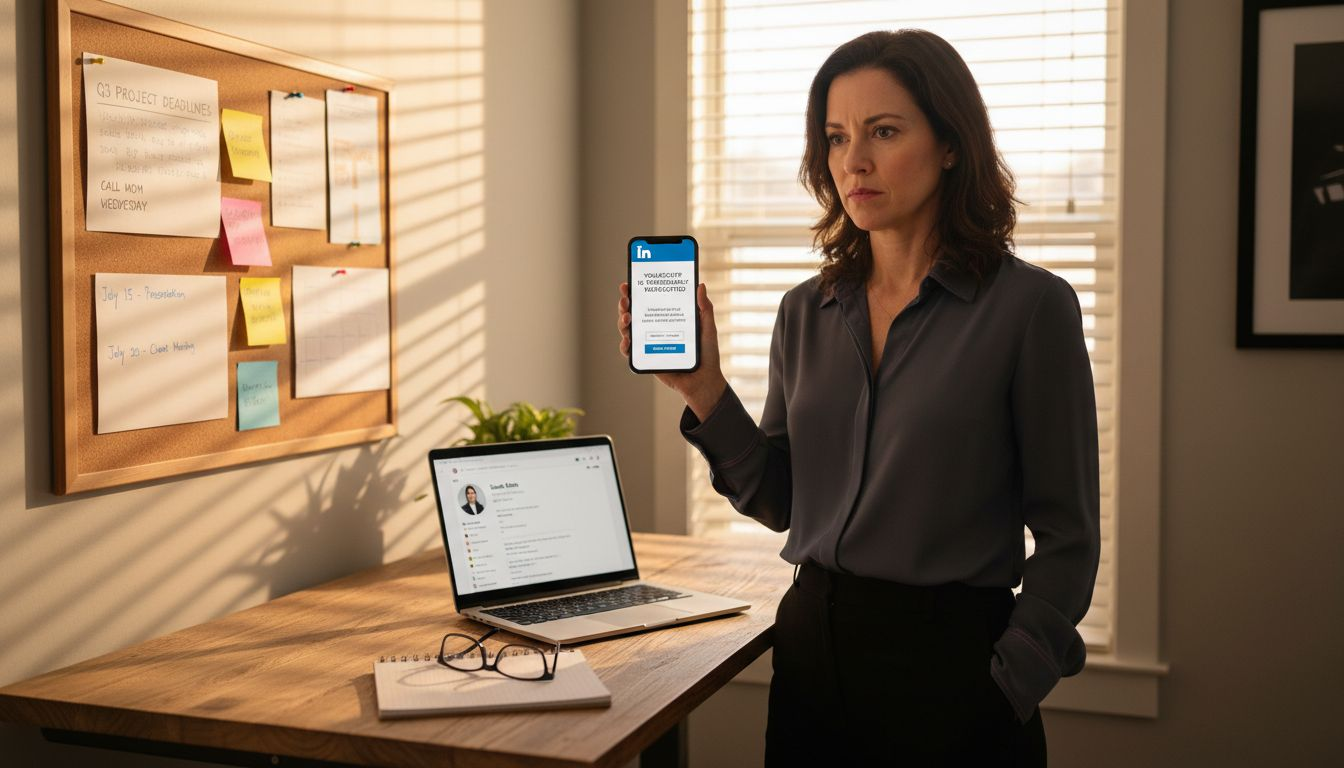
Pro Tip: Document every LinkedIn notification or restriction you receive, noting the date, stated reason, and your recent activities to identify patterns and prevent future violations.
The graduated system also accounts for violation severity. Minor infractions like slightly exceeding connection limits might warrant only warnings, while using fake profiles or sending explicit spam could jump directly to severe restrictions. Understanding this nuance helps you calibrate risk appropriately.
If you face restrictions, immediate action includes pausing all automation, reviewing LinkedIn's specific violation notice, and consulting solutions for restricted accounts to understand recovery options. Many restrictions lift automatically after the specified period if you demonstrate compliant behavior.
"Every restriction is a message. LinkedIn tells you exactly what triggered the penalty. Ignoring these signals guarantees progression to permanent bans."
How automation can be safe and effective on LinkedIn
Automation remains a viable LinkedIn strategy when executed within safe parameters. LinkedIn penalizes spam and impossible velocity, not efficiency itself. The key lies in mimicking human behavior patterns while leveraging tools to scale your outreach intelligently.
Volume control forms the foundation of safe automation. Avoid sending more than 50 connection requests per hour or 200 per day to stay well below detection thresholds. Message sending should follow similar restraint, with no more than 100 personalized messages daily. These limits allow meaningful outreach volume while maintaining patterns consistent with manual activity.
Message personalization dramatically reduces ban risk. Instead of identical templates, incorporate variables like recipient name, company, recent posts, or shared connections. Even simple customization signals genuine interest rather than mass spam. Tools that randomize message timing and vary content structure further disguise automation fingerprints.
Account trustworthiness amplifies safety margins. Verified profiles with established connections and regular engagement history receive more lenient treatment than new accounts launching immediate outreach campaigns. Complete profiles with professional photos, detailed work history, and skill endorsements build credibility that buffers against detection algorithms.
Pro Tip: Combine automation with manual activity by commenting on posts, sharing content, and engaging authentically between automated outreach sessions to create mixed behavioral signals.
Implementing safe account management practices includes using residential IP addresses, maintaining consistent login locations, and spacing automation sessions throughout business hours. Avoid sudden activity spikes or overnight operation that screams bot behavior.
Quality targeting matters as much as volume control. Focus outreach on prospects matching specific criteria like industry, job title, company size, or geographic location. Relevant targeting produces higher acceptance rates and engagement, creating positive signals that offset automation concerns. Random connection requests to unrelated professionals trigger spam flags regardless of volume.

The most successful LinkedIn automation strategies incorporate these elements into cohesive systems. Automation examples for 2026 demonstrate how professionals combine smart tools with human oversight to generate leads safely. The goal is sustainable outreach that builds genuine networks rather than burning through accounts with aggressive tactics.
Key safe automation practices:
- Limit daily connection requests to 150-200 maximum
- Personalize at least 30% of message content per recipient
- Vary outreach timing across full business days
- Target prospects with clear relevance to your offering
- Mix automation with manual profile visits and content engagement
- Use verified accounts with established activity history
- Monitor acceptance rates and adjust if below 30%
Practical steps to recover from or avoid LinkedIn bans
Facing a LinkedIn restriction requires immediate strategic response to minimize damage and restore account functionality. The first 24 hours determine whether you salvage the account or lose it permanently. Taking correct action quickly often means the difference between temporary inconvenience and complete ban.
Immediate recovery steps when restricted:
- Pause all automation immediately across every tool connected to your account to stop triggering additional flags
- Review LinkedIn's notification carefully to understand the specific violation cited and which activities caused the restriction
- Submit an appeal through LinkedIn's help center explaining the situation honestly and committing to policy compliance
- Verify your identity if prompted, as this often accelerates restriction removal and demonstrates account legitimacy
- Clean your profile by removing any suspicious elements like fake job titles, stock photos, or incomplete sections that reduce trust
- Wait patiently for the restriction period to expire while avoiding any attempts to circumvent limitations
Pro Tip: Keep detailed logs of your daily LinkedIn activities including connection requests sent, messages delivered, and engagement actions to quickly identify what triggered restrictions and prove compliance during appeals.
Prevention strategies prove more effective than recovery efforts. Switching to verified accounts reduces ban risk by 70% compared to standard or fake profiles. ID verification establishes legitimacy that makes your outreach appear more trustworthy to both LinkedIn's algorithms and your prospects.
Long-term ban prevention requires systematic approach:
- Implement multi-account management to distribute outreach across several profiles rather than overloading one account
- Build account reputation gradually through consistent engagement, content sharing, and network growth before launching automation
- Monitor platform updates to stay informed about policy changes and adjust practices accordingly
- Maintain natural activity ratios where automated actions represent less than 70% of total account activity
- Invest in quality tools that offer built-in safety features like velocity controls and behavior randomization
For agencies and professionals requiring scale, the verified multi-account approach offers optimal balance. Using multiple verified profiles lets you distribute outreach volume safely while maintaining backup accounts if one faces restrictions. This redundancy protects your lead generation pipeline from single-account dependency.
Understanding account rental alternatives helps you choose ownership models that align with your risk tolerance and business needs. Owned accounts provide long-term control and relationship building, while rental options offer flexibility for testing campaigns.
Recovery from restrictions also involves reputation rebuilding. After limitations lift, spend two to four weeks engaging manually before resuming automation. Comment on posts, share valuable content, and accept incoming connection requests to demonstrate legitimate platform use. This cooling-off period resets algorithmic suspicion and establishes positive behavioral patterns.
Consider consulting LinkedIn account restriction solutions for professional guidance when facing complex situations or repeat violations. Expert intervention can navigate appeals processes and identify hidden issues causing ongoing problems.
Explore verified LinkedIn accounts to reduce ban risks
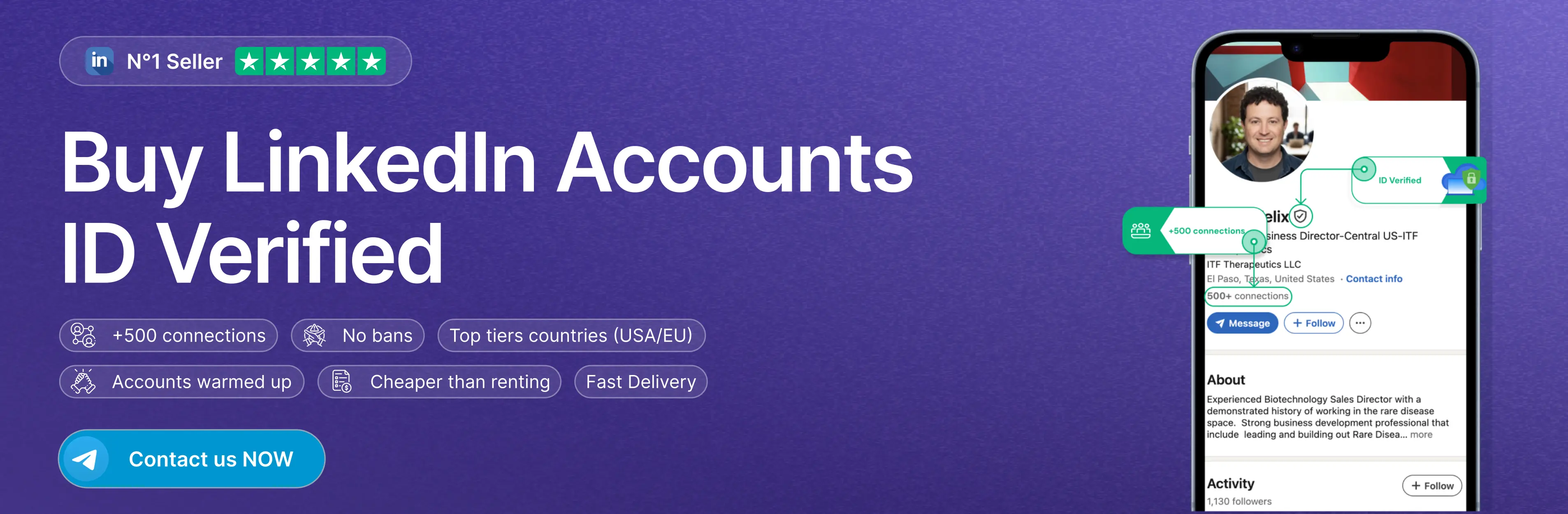
Protecting your LinkedIn outreach starts with the right foundation. After understanding ban triggers and prevention strategies, the next logical step involves securing accounts built for safe, scalable networking. Verified LinkedIn accounts offer immediate credibility and significantly lower ban risk compared to standard profiles or rental options.

These accounts come fully verified with established activity history, making them appear natural and trustworthy to LinkedIn's detection systems. For agencies managing multiple client campaigns or professionals requiring consistent lead generation, verified accounts eliminate the vulnerability of building profiles from scratch. You gain immediate access to networking capabilities without the months-long warming period new accounts require. Exploring account rental alternatives helps you understand ownership benefits versus temporary access models. Review terms and conditions to make informed decisions aligned with your outreach strategy and compliance requirements.
Frequently asked questions about LinkedIn bans
What exactly is a LinkedIn ban?
A LinkedIn ban is a platform-imposed restriction limiting or completely removing your ability to use account features due to policy violations. Bans range from temporary limitations on connection requests to permanent account termination depending on violation severity and frequency.
How can I tell if my LinkedIn account is restricted?
LinkedIn sends email notifications and in-app messages when imposing restrictions, clearly stating the violation and limitation duration. You may also notice inability to send connection requests, messages, or access certain features when logged in.
How long do LinkedIn bans typically last?
Temporary restrictions range from 24 hours for minor violations to several weeks for repeated infractions. Permanent bans have no expiration and result in complete account loss. Most first-time violations result in warnings or 24 to 48 hour soft restrictions.
Can I appeal a LinkedIn ban successfully?
Yes, appeals through LinkedIn's help center often succeed for first-time violations or misunderstandings, especially when you provide clear explanation and commit to policy compliance. Include specific details about your account activity and any mitigating circumstances. Response times vary from days to weeks.
What prevents LinkedIn bans most effectively?
Using verified accounts with complete profiles, limiting outreach to 150-200 daily connections, personalizing messages, targeting relevant prospects, and mixing automation with genuine manual engagement provides the strongest protection. Staying within safe velocity limits and monitoring for warning signs prevents most ban scenarios.
Do verified LinkedIn accounts really reduce ban risk?
Verified accounts demonstrate legitimacy through ID confirmation and established activity patterns, making LinkedIn's algorithms less likely to flag your outreach as suspicious. The verification signal combined with natural account history creates trust that buffers against detection systems targeting fake or spam accounts.
Recommended
.png)



.svg)